October 10, 2026
What to Look For in an Alarm With 111 Calling for Senior Safety in New Zealand
By @thealarm111callingtoday
When my father moved into his own place after my mother passed away, the first thing I did was look for an alarm with 111 calling. I had read too many stories about older adults falling and lying on the floor for hours, unable to reach a phone. In New Zealand, where many of us live in single-level homes or rural properties, the distance between a senior and help can feel enormous. A personal medical alert that connects directly to emergency services is not just a gadget. It is a piece of mind that allows someone to keep their independence.
Over the past few years, the market for medical alert devices has grown quickly. You can find everything from basic pendants that call a monitoring centre to smartwatches with GPS tracking and fall detection. But if you are specifically looking for an alarm with 111 calling, there are a few things worth understanding first. Not every device works the same way, and the differences matter when seconds count.
How Direct 111 Calling Works
An alarm with 111 calling is designed to contact New Zealand's emergency services directly when the user presses the button. Some devices dial a monitoring centre first, and the centre then calls 111 on your behalf. Others place the call straight to the emergency operator, with the device transmitting your location and pre-recorded medical details. Both approaches have their place, but the direct route often shaves off precious minutes.
For seniors living alone, the ability to speak directly to a 111 operator through the device's two-way calling feature can be a lifesaver. You explain your situation, and the operator stays on the line until help arrives. This is particularly useful for medical emergencies like chest pain, breathing trouble, or a bad fall where you cannot reach your phone.
Key Features to Consider
When I helped my father choose his medical alert system, we looked at several features beyond just the emergency call button. Here are the ones that made the biggest difference for us.
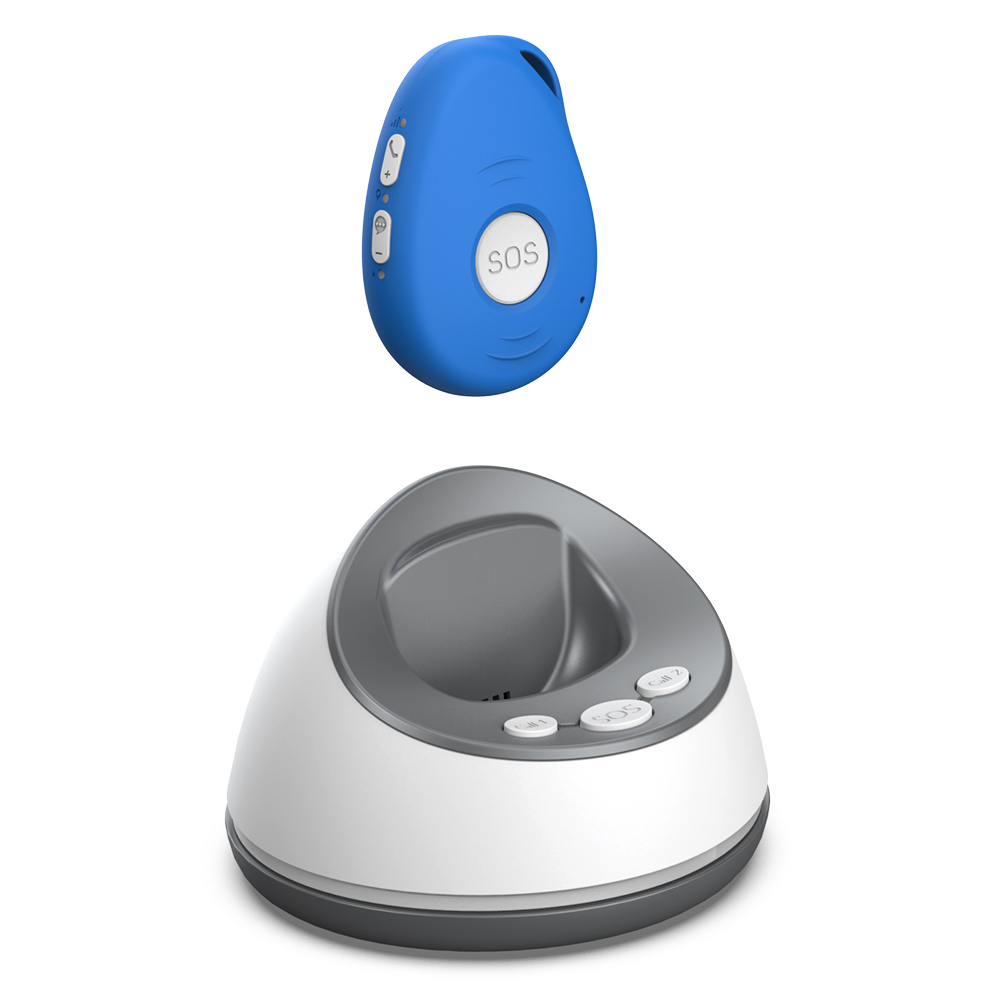
Fall Detection
Not all falls end in a broken bone, but they can leave you disoriented or unable to get up. Fall detection uses built-in sensors to recognise a sudden drop and impact, and it can trigger an alert automatically if you cannot press the button. This is one of the most important features for senior safety, especially for people who live alone. Devices from companies like Philips Lifeline and Bay Alarm Medical have offered this for years, and newer New Zealand-focused providers now include it as standard.
Family Monitoring
One trend I have seen grow is family monitoring, where a caregiver or family member receives a notification when an alarm is raised. Instead of relying solely on a call centre, the system sends a text or app alert to a trusted contact. This is ideal for adult children who want to stay in the loop without being intrusive. It also means that if your loved one presses the button by accident, you can check in quickly rather than having emergency services dispatched unnecessarily.
GPS Tracking
For seniors who are still active and like to walk the dog, visit the shops, or meet friends at the local park, GPS tracking is a game-changer. It allows the alarm to work outside the home. If your mother wanders off her usual route or gets confused, a device with GPS can show her exact location. Vodafone and other mobile networks carry the data, and the device usually works through a SIM card just like a mobile phone. Samsung and Apple have also entered this space with smartwatches that offer fall detection and GPS, though they are not always built with seniors in mind and can be fiddly to set up.
Two-Way Calling
Being able to talk through the device to a responder or family member is invaluable. Two-way calling means you do not just press a button and wait. You explain what happened, and the person on the other end can assess whether to send an ambulance or just call a neighbour. This feature can reduce unnecessary callouts and keep the senior calm while help is on the way.
Real-World Experiences
I remember a neighbour of my father's, an 82-year-old woman named Margaret, who had a Life Alert pendant for years. She lived on her own and was fiercely independent. One morning she tripped over a rug in her bathroom and landed hard on her hip. She pressed the button on her pendant, and the system connected her to a call centre. The operator spoke to her, determined she needed an ambulance, and dispatched one while staying on the line. Margaret later told me that the voice on the other end kept her calm until the paramedics arrived.
That kind of experience is exactly why an alarm with 111 calling can be so powerful. It is not just about the technology. It is about the human connection that comes with knowing someone will answer when you call.

What About Monthly Fees?
Many traditional medical alert systems require a monthly subscription, which can add up over the years. Some New Zealand providers now offer devices with no monthly fees, where the only cost is the upfront purchase of the unit. That can be a big relief for families on a budget. However, you need to check whether the no-fee model still includes 24/7 monitoring, fall detection, and GPS tracking. Sometimes the cheaper option cuts corners on the monitoring centre quality or the reliability of the cellular network.
New Zealand-Specific Considerations
In New Zealand, our emergency services are run through the 111 system, and the call centres are operated by St John New Zealand and other providers. When you choose an alarm with 111 calling, make sure the device is compatible with our network. Some international devices are designed for 911 in the United States and may not work properly here. NZ Telehealth and other local companies specialise in systems built for our infrastructure.
Another important factor is the ACC (Accident Compensation Corporation) and Healthline. If your loved one has a workplace injury or needs non-urgent medical advice, a medical alert that can also connect to Healthline or a family member might be more useful than a direct 111 call alone. Some devices let you choose who to call based on the situation.
Comparing Brands
There are many brands on the market, and each has its strengths. GreatCall, now part of Best Buy, offers a reliable service but is primarily US-focused. Philips Lifeline has a strong reputation for fall detection and two-way calling, but you need to check if their international models work with New Zealand networks. Bay Alarm Medical provides straightforward devices with good battery life. For a local option, NZ Telehealth and Familyr offer systems designed specifically for New Zealand seniors.
One brand I have watched closely is Familyr. They provide personal medical alarms that include family monitoring, GPS tracking, fall detection, and two-way calling, with no monthly fees. That combination is rare. For someone who wants an alarm with 111 calling that does not lock them into a long-term contract, it is worth a closer look.

Practical Tips for Choosing
- Test the range of the device in your home. Some pendants only work within a few metres of the base unit, which is useless if you fall in the garden.
- Consider the battery life. A device that needs charging every day will likely be forgotten. Look for something that lasts at least a week on a full charge.
- Check if the device is waterproof. Falls often happen in the bathroom or shower, so a waterproof pendant is essential.
- Involve the senior in the decision. If they find the device uncomfortable or confusing, they will not wear it.
- Look for a system that allows a caregiver or family member to test the device remotely, so you know it is working without having to visit every week.
Final Thoughts
Choosing an alarm with 111 calling is a decision that balances cost, reliability, and ease of use. There is no single perfect device for everyone. What works for an active 70-year-old who still drives may not work for an 85-year-old with dementia. But the core goal stays the same: to give the senior and their family confidence that help is only a button press away.
When you are researching, talk to other families, read reviews from New Zealand users, and ask the provider how their system handles a real emergency. The peace of mind that comes from knowing your loved one can get through to 111 at any hour is worth the effort of getting the choice right.
❧